
East Tennessee’s Repiping Specialists
FCK Plumbing is a licensed plumbing contractor serving Sevierville, Pigeon Forge, Gatlinburg, Knoxville, Clinton, Oak Ridge, Dandridge, Alcoa, Louisville, and Townsend — and every community in between, with full waste and water repiping services for residential and commercial properties.
Aging Pipes Don’t Fix Themselves: When Patching Has Run Out of Road
Many East Tennessee homes built before the mid-1990s were plumbed with galvanized steel or polybutylene pipe. Both materials age badly. Inside galvanized pipes, mineral scale accumulates over decades, steadily narrowing the bore and cutting water pressure. The pipe walls thin from the inside out. By the time you notice discolored water at the tap, the pipe system has already degraded well past the point where a spot repair restores reliable service. Every patch buys time on a line that has already failed in a systemic way; none of those repairs address what is happening inside the pipe you cannot see.
Repeated leak failures tell the same story from a different angle. If you have called a plumber two or three times in the last couple of years for leaks in the same general area of your home, you are already spending repipe money, just more slowly and with more damage each time. Every repair call carries a labor cost. Every water intrusion event puts drywall, insulation, and subfloor material at risk. Insurance premiums can climb after multiple claims on the same property. The cost of patching a failing system is not just the repair invoice; it is everything that comes with the water getting where it should not.
What a Full Repipe Actually Looks Like From Start to Finish
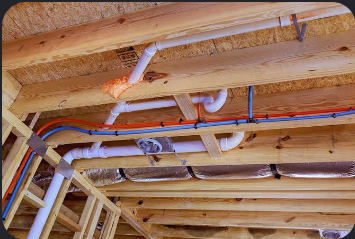
Every repipe job we take on starts with a thorough scope assessment. We inspect the full pipe system, trace every affected supply and waste line, and confirm exactly what needs to be done before any price is agreed. That is what makes our free estimate meaningful. It is not a ballpark figure built from a phone conversation. It is a real evaluation of the property so there are no surprises once the job is underway.
For water supply lines, we primarily use PEX and copper. For waste lines, we use PVC. These materials are chosen because they outperform the galvanized steel, polybutylene, and copper they replace in every measurable way. They do not corrode from the inside. They maintain consistent water pressure over decades. They are not subject to the scale buildup that slowly chokes older metal systems. Longer service life, no corrosion risk, better pressure from the first day forward.
Most residential repipes are completed within one to three days, depending on the size of the property and the scope confirmed during the assessment. Commercial properties vary based on the system involved. Water service is restored before we leave the job site. We communicate the schedule clearly in advance so your daily life is not built around an open-ended job with no clear end date.
Common Questions and Answers for Waste & Water Repiping
What is repiping and when is it necessary?
Repiping involves replacing the old or damaged plumbing pipes in your home or building with new ones. It is necessary when pipes are corroded, leaking, clogged, or made from outdated materials that can affect water quality and pressure.
What types of pipes are used for repiping?
Common materials for repiping include copper, CPVC (chlorinated polyvinyl chloride), PEX (cross-linked polyethylene), and galvanized steel. The choice depends on budget, local plumbing codes, and specific plumbing needs.
How do I know if my home needs repiping?
Signs include frequent leaks, low water pressure, discolored or rusty water, water damage, and high water bills. Old galvanized or lead pipes are also a concern and often require replacement.
How long does repiping take?
The duration depends on the size of the property and complexity of the plumbing system. Typically, repiping a small to medium home can take 1 to 3 days.
Will repiping disrupt my water service?
Yes, water service will usually be temporarily turned off during the repiping process. Professionals often schedule work to minimize downtime and may provide advance notice.
What’s the difference between repiping water lines and waste lines?
Water lines deliver clean water to fixtures, while waste lines carry wastewater away from plumbing fixtures to the sewer or septic system. Repiping can involve replacing either or both depending on the condition.
Is repiping expensive?
Costs vary widely based on property size, material choice, and labor. Repiping is a significant investment but can prevent costly water damage and improve water quality and pressure.
Can I repipe just part of my home?
Partial repiping is possible if problems are localized. However, older homes with outdated piping materials might benefit more from full repiping for consistent performance and compliance with building codes.
What are the benefits of repiping?
Benefits include improved water pressure, better water quality, fewer leaks and water damage, increased home value, and peace of mind from using safe, modern plumbing materials.
How do I choose a professional for repiping?
Look for licensed and insured plumbers with experience in repiping, good customer reviews, and transparent pricing. It’s important they follow local building codes and conduct thorough inspections before starting work.
Failing pipes don't wait for business hours, and neither do we. Call FCK Plumbing now for a free repipe estimate, any time of day or night.
Fast. Reliable. Local