
Drain Cleaning Knoxville Trusts
FCK Plumbing provides professional drain cleaning in Sevierville, Pigeon Forge, Gatlinburg, Knoxville, Clinton, Oak Ridge, Dandridge, Alcoa, Louisville, and Townsend — and every community in between. Whether you're dealing with a slow kitchen sink or a completely blocked sewer line, we clear the blockage and check the line for underlying issues before we leave. We use sewer inspections cameras to pinpoint the exact cause of the clog and confirm the line is clear.
Free estimates on every job.
What Blocked Drains Are Really Costing You
Standing water from a backed-up drain doesn't wait. Within hours it seeps into flooring, subflooring, and walls—turning a $150 cleaning job into a multi-thousand-dollar remediation. Slow drains are the warning sign; ignoring them removes the warning and keeps the risk.
Stagnant water inside a blocked line is a breeding ground for bacteria and mold. In a kitchen that's a food-safety problem. In a bathroom, it's a respiratory one. Neither fixes itself with a bottle of store-brand drain cleaner.
Chemical drain openers dissolve the soft organic material near the top of the blockage. They don't reach compacted grease buildups, root intrusions, or collapsed pipe sections. The drain clears for a week, then backs up again—because the underlying cause was never addressed. If the same drain has been blocked more than twice in six months, it's signaling a deeper problem that a professional line check is the only way to diagnose.
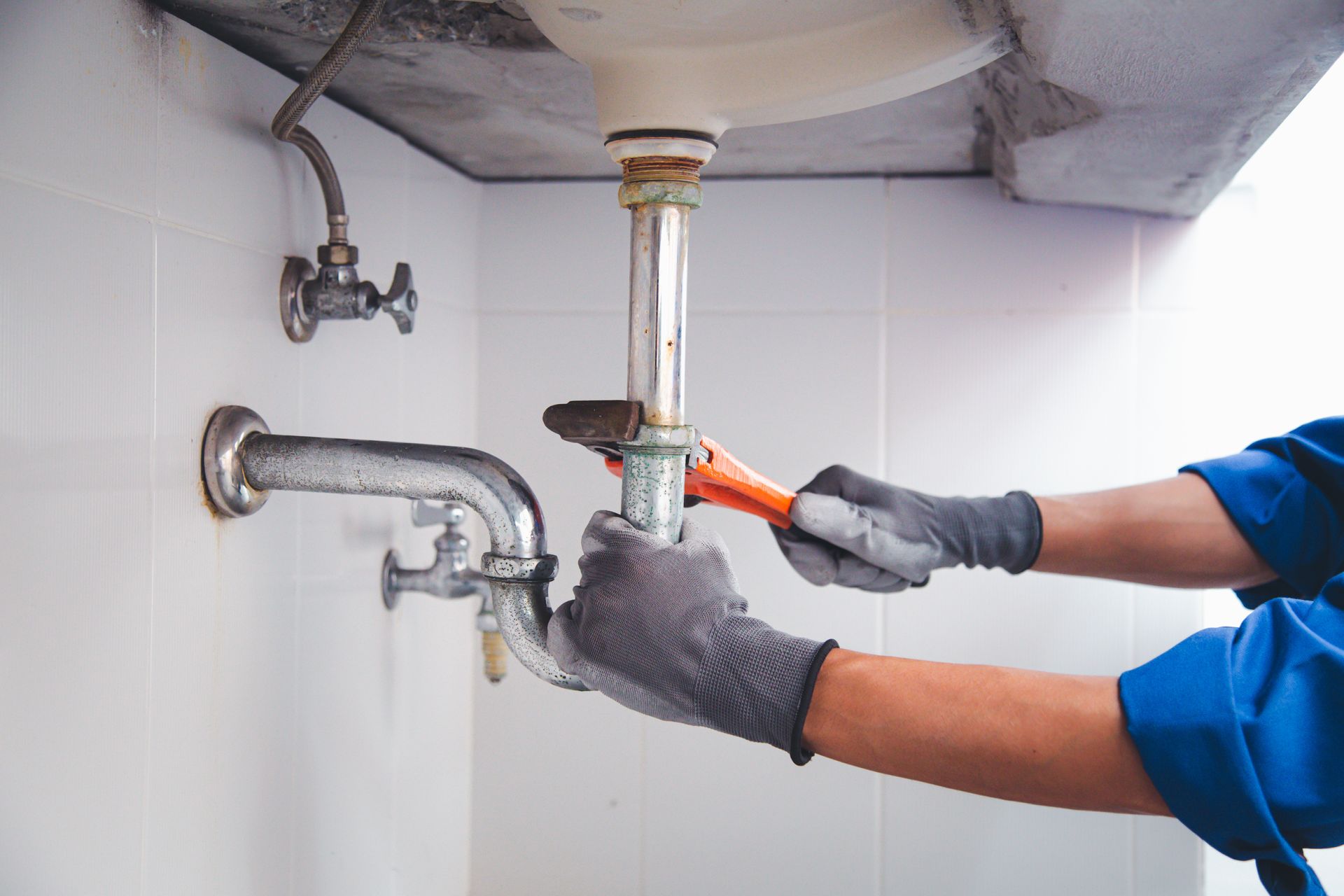
Every Drain We Touch Gets a Full Line Check
Kitchen drains: Grease, food particles, and soap residue accumulate inside kitchen drain lines faster than any other drain in the home. We clear the blockage and flush the line so you're not calling again in a fortnight.
Bathroom drains: Hair, soap scum, and toothpaste buildup are the usual suspects. When the clog is in the main bathroom stack rather than the individual fixture, standard plunging won't reach it. We do.
Sewer line blockages: A backed-up sewer line affects every drain in the building at once. Root intrusion and compacted waste are common causes in older East Tennessee properties. We use professional-grade equipment to locate the obstruction and clear it—not mask it.
Post-clearing line check: Before we leave, we check the line for underlying issues—partial collapses, root intrusion points, or scale buildup that will cause the next blockage. You get a clear answer on the condition of your drain system, not just a temporarily clear pipe. Free estimates apply to every call.
Common Questions and Answers About Drain Cleaning
Why do drains get clogged?
Drains often clog due to the buildup of hair, soap residue, grease, food particles, dirt, and other debris that accumulate over time. Tree roots invading sewer lines can also cause blockages.
How can I prevent drain clogs?
Avoid pouring grease, coffee grounds, and large food particles down drains. Use drain screens to catch hair and debris, and regularly flush drains with hot water or a safe drain cleaner.
What are common signs that my drains need cleaning?
Slow draining water, gurgling sounds from drains, unpleasant odors, water backups, and frequent clogs are common signs.
Can I clean my own drains?
Minor clogs can often be cleared with a plunger, drain snake, or chemical-free drain cleaners. However, persistent or severe blockages usually require professional cleaning.
What methods do professionals use for drain cleaning?
Professionals use mechanical augers (snakes), hydro-jetting (high-pressure water), or chemical treatments to clear clogs efficiently without damaging pipes.
How often should drains be professionally cleaned?
For typical households, a professional drain cleaning every 1-2 years is recommended to maintain clear pipes and prevent major clogs.
Does drain cleaning help prevent sewer line backups?
Yes, regular drain cleaning can prevent buildup that leads to sewer line blockages and backups, protecting your home from costly water damage.
Is drain cleaning safe for all types of pipes?
es, professional drain cleaning methods are designed to be safe for most plumbing materials, including PVC, copper, and cast iron.
What causes recurring drain clogs?
Recurring clogs can be due to improper disposal habits, tree root intrusion, pipe damage, or buildup deep within sewer or drain lines.
When should I call a professional for drain cleaning?
Call a professional if you have frequent clogs, slow drains, foul odors, water backups, or if DIY methods fail to clear the drain.
Regular maintenance and mindful use of drains can help keep your plumbing flowing smoothly and avoid costly repairs.
Blocked Drain? We’re Ready Right Now.
FCK Plumbing clears blocked drains across Knoxville and East Tennessee any hour of the day or night. Free estimate before we start—call now and we'll tell you exactly what it will cost.